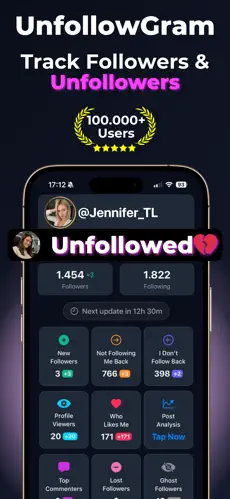
Non-followers accumulate over time through follow-for-follow exchanges that were never reciprocated, casual browsing follows, and accounts that unfollowed after receiving a follow-back. Instagram provides no way to identify these non-mutual relationships without checking each profile individually, a task that becomes impractical once an account follows more than a few hundred people.
How the Follow-for-Follow Cycle Creates the Problem
The follow-for-follow growth tactic involves following accounts in bulk and hoping a percentage follow back. A typical outcome: follow 100 accounts, receive 25-35 follow-backs, and end up with 65-75 non-mutual follows. Repeated over months, this creates accounts following 2,000+ profiles while maintaining only 500-700 followers. The resulting ratio signals low-quality audience building to both human visitors and Instagram's recommendation systems.
Deciding Which Non-Followers to Remove
Not every non-follower should be unfollowed. Accounts followed for genuine content value (industry publications, educational creators, news outlets) provide utility regardless of mutual status. The accounts to prioritize for removal are those followed solely for a reciprocal follow that never came, inactive accounts that have not posted in months, and accounts producing content that no longer aligns with your interests or goals.
Instagram's Native "Least Interacted With" Feature
Instagram added a "Least Interacted With" category in the Following section. This filter shows accounts the user engages with least, regardless of whether those accounts follow back. It is not a non-follower checker, but it can complement one. An account that does not follow back and appears in "Least Interacted With" is a strong candidate for unfollowing.
Limitations of Non-Follower Checking
The web tool only works with public Instagram profiles. Private accounts require the mobile app with OAuth authentication. The tool also cannot predict whether a non-follower might follow back in the future since some accounts process follow requests slowly, particularly business accounts with large audiences. Unfollowing too quickly after following can also look spammy to Instagram's detection systems if done at high volume.