Does follower ratio matter Instagram in 2026? Not in the way people think. The follower-to-following ratio doesn’t meaningfully change how the algorithm treats you, but it absolutely changes how humans judge you in about half a second.
I’ve tested this across personal accounts, creator accounts, and a couple small brand pages I help manage, and the pattern stays the same: ratio is mostly “profile vibes.” It can help or hurt first impressions, but it won’t magically fix weak content or make Reels pop off.
Alright, here’s the plan. We’ll talk about what your follower-to-following ratio actually changes, what it doesn’t, what “good” looks like at different stages, and the stuff that can get you restricted, reported, or just… ignored.
When people say “follower ratio,” they usually mean one thing, followers divided by following.
That’s it. So if you’ve got 12,000 followers and you follow 1,000 accounts, you’re sitting at a 12:1 ratio.
- And if you’ve got 2,000 followers and you’re following 1,600 people, you’re at about 1.25. Pretty close to one-to-one.
That’s it. No secret formula. No “algorithm multiplier.”
If you want the full breakdown with examples and what different ranges tend to signal, this pillar page is solid: Instagram followers vs following ratio explained in plain English.
So… does follower ratio matter Instagram for growth?
Here’s the counterintuitive truth that trips people up: a “great” ratio can make you look legit, while doing almost nothing for your actual reach.
In 2026, Instagram growth usually comes more from genuine interest than the whole follow-for-follow thing. Most people follow for simple reasons. A Reel lands at the perfect moment, a carousel answers a question they’ve been stuck on, or your Stories make you feel like an actual person. The ratio doesn’t create that.
What ratio can affect (the real stuff)
- Whether someone follows you after landing on your profile. Ratio is one of those quick “is this account worth it?” cues, especially when people don’t know you.
- Brand perception. Some sponsors still get a little suspicious if you’re following 7,000 accounts and only have 2,000 followers. Is it fair? Not really. But yeah, it happens.
- How your account reads socially. High following counts can signal follow-for-follow behavior. Or it can signal you’re just active and social. People guess. Fast.
What ratio does NOT affect (despite what TikTok says)
- Instagram’s ranking algorithm directly. Reels, watch time, saves, shares, and repeated interest matter more. Ratio isn’t a ranking signal you can “game” for a boost.
- Your engagement rate magically improving. If your audience is passive, cleaning up your following list won’t suddenly make them comment.
- Whether you’re “shadowbanned.” I’ve seen people blame ratio for reach drops when the real issue was posting inconsistency or boring hooks. (Or they spam-followed 300 accounts in a day. Yep.)
If you want a sanity check on what typical accounts look like, Ampfluence has a decent overview of ratio ranges and how people interpret them: Instagram follower-to-following ratio explained.
How it works: why ratio impacts humans more than Instagram
Instagram’s system is trying to predict what content someone will spend time on. It looks at behavior: do people watch, rewatch, share, save, tap through, DM it, follow after viewing, and come back tomorrow.
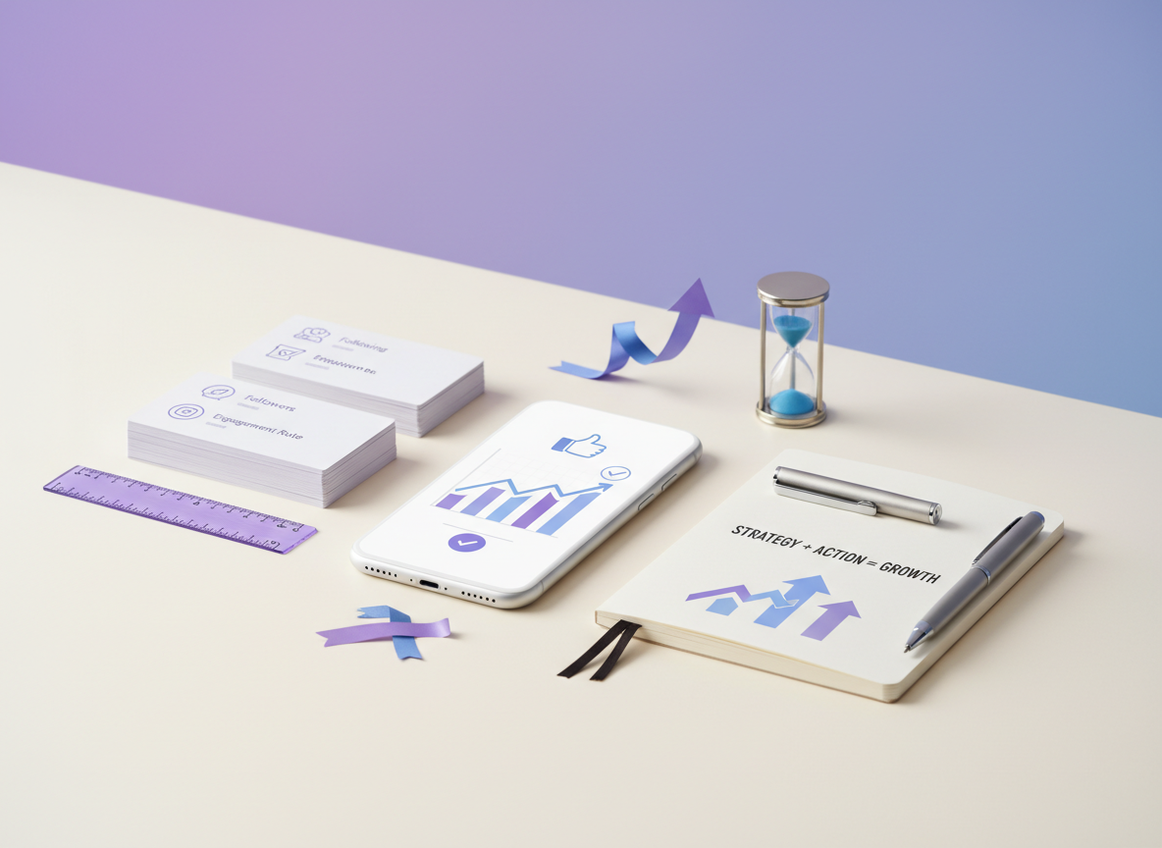
Humans, though, do a different kind of ranking. When someone clicks your profile, they scan:
- profile photo
- bio clarity
- recent grid and Reels covers
- and yep, followers/following
That last one is basically social proof. A ratio that feels “off” can create friction. Not always. But enough that it matters for conversion from viewer to follower.
One lived-detail thing I’ve noticed: on smaller accounts (under 2k followers), people barely care if you follow a lot. On mid-size creator accounts, it starts to matter more, mostly because strangers assume you’re “doing follow-for-follow” if your following is huge.
So what’s a “good” follower-to-following ratio in 2026, anyway?
There isn’t one magic number. There’s “normal for your situation” and “this looks weird.”
Ranges I see most often (real-world, not theory)
- 1 to 2: Normal everyday users and early-stage creators. Example: 3,000 followers, following 2,200.
- 2 to 5: Most legit growing creators and niche pages. Example: 18,000 followers, following 4,000.
- 10+: Usually established creators, brands, public figures, or pages that never did follow-for-follow. Example: 70,000 followers, following 6,000.
But here’s the part most ratio advice skips: almost half of Instagram accounts sit in the 1k to 10k follower range, and a big chunk have under 1k. Extreme “influencer ratios” aren’t typical because most people aren’t influencers. That context matters.
If you like stats, this dataset is a useful snapshot of how follower counts and account types break down: Instagram followers statistics.
A quick gut-check: does your ratio match your strategy?
- If you’re doing outreach (networking, collabs, local business stuff), your following will naturally be higher. That’s not “bad.”
- If you’re a niche educator or entertainment creator and you’re following 7,500 accounts, people may assume you’re churning follow/unfollow. Even if you’re not.
And yeah, it’s annoying that perception matters. But it does.
Where ratio advice falls apart (failure modes I’ve seen)
This is where it gets messy.
Failure mode #1: The “mass unfollow” spiral
People freak out about ratio, then they unfollow hundreds (or thousands) of accounts in a short window. It can work. It can also backfire.
I’ve watched accounts get action-blocked doing this, especially if they combine unfollowing with heavy liking/commenting in the same hour. Instagram reads it as automation behavior even if you’re doing it manually.
If you’re going to clean up your following, do it carefully and slowly. And if you’re tempted to do a big purge, read this first: safe mass unfollow strategies that won’t wreck your account.
Failure mode #2: Chasing “ratio goals” instead of fixing content
I’ve been guilty of this. I once spent an entire weekend trimming following lists, tweaking bios, swapping highlight covers… and my reach still didn’t move because my Reels hooks were weak. Painful.
Ratio can improve how you look. It won’t fix why people aren’t sticking around.
The stuff that actually grows accounts (while ratio just sits there)
Instagram’s been pushing video hard, and I’m seeing the same thing in account after account: Reels are still the fastest top-of-funnel. Not because “Instagram loves you,” but because distribution is broader when content matches viewer interests.
And interestingly, nano-creators (small accounts) often pull higher engagement rates than big pages. That’s one reason brands are less obsessed with ratio and more obsessed with “do people care.”
If you want better growth, focus on these 7 things
- Reels watch time: tight first second, no long intros.
- Saves and shares: make content people want to keep or send.
- Profile conversion: clear bio, obvious niche, pinned posts that explain “why follow.”
- Consistency: not daily, just predictable. The accounts that disappear for 3 weeks bleed momentum.
- Real engagement: replying to comments in a human way still works. Boring, but true.
- Audience quality: bots and dead accounts drag performance over time.
- Collabs: easiest shortcut that isn’t spammy.
One lived-detail thing: when an account crosses about 10k followers, the “ratio anxiety” usually gets worse, not better. People suddenly feel like they have to “look big.” But their biggest growth unlock is usually better content packaging, not following fewer people.
Use ratio as a diagnostic tool (not a scoreboard)
Ratio is useful when it helps you spot patterns like:
- You followed a bunch of accounts during a growth push and never cleaned it up.
- You’re stuck doing follow-for-follow and your audience quality is sliding.
- You’re following tons of inactive accounts and your feed is basically junk now.
That’s the healthy use of ratio. It’s a flashlight, not a trophy.
How I track this without risking my account
I don’t recommend sketchy “log in with your Instagram password” follower apps. I’ve seen people get locked out, forced into verification loops, or hit with weird security prompts after using them. It’s not worth it.
What I do use is Instagram Follower Tracker because it doesn’t ask for your password and it’s designed to stay on the right side of Instagram’s rules. I mostly use it to keep tabs on non-followers, unfollow changes, and audience shifts without doing anything spammy.
If your ratio looks off because you’re following a lot of people who don’t follow you back, this is the clean way to diagnose it: find people who don’t follow you back without guessing.
Instagram is literally testing changes that could make ratio less visible
This part is wild: Instagram has been experimenting with changing how “Following” is presented, leaning more toward a “Friends” style display in some contexts. If that rolls out broadly, the whole ratio obsession gets weaker overnight.
Here’s the update I’m watching: Instagram tests changing “Following” display.
So if you’re restructuring your entire strategy around a number people may not even see soon… yeah. Maybe don’t.
Common mistakes people make with follower/following ratio
- Buying followers to “improve” the ratio. You might get a prettier number, but it wrecks trust and usually tanks engagement. Not great.
- Unfollowing in giant bursts. This can trigger blocks and it also annoys real people who notice.
- Ignoring follow limits. If you’re doing heavy follow activity, you’ve gotta know the guardrails or you’ll get restricted.
If you’ve ever hit an action block and thought “wait, what did I do?”, you’re not alone. Instagram’s limits feel inconsistent, but there are patterns. This resource lays it out clearly: Instagram follow limits and restrictions explained.
Limitations (what ratio won’t tell you)
Ratio is a blunt tool. It won’t tell you:
- Who your real fans are. A high ratio can still hide an audience full of lurkers and inactive accounts.
- Why people unfollowed. Sometimes it’s your content. Sometimes they’re cleaning up their feed. Sometimes they got banned. You won’t know from ratio alone.
- Whether you’re converting followers into customers. Brands care about outcomes, not just aesthetics.
One more caveat: if you recently had a Reel blow up, your ratio can look “better” for a while even if those new followers never engage again. I’ve seen that happen a lot on meme-ish Reels that spike fast and then go quiet.
FAQ
Does Instagram follow ratio matter?
It matters more for first impressions than for the algorithm. People judge credibility quickly, but Instagram’s reach is driven more by content performance signals than by your following count.
What is a good ratio of followers to likes on Instagram?
There’s no perfect ratio, but consistent engagement matters more than totals. As a rough gut-check, small accounts often see higher engagement rates than large ones, so compare yourself to similar-sized creators, not celebrities.
What happens when you get 5000 followers on Instagram?
Nothing “unlocks” automatically at 5,000, but it’s a common point where brands start paying attention and your profile conversion rate matters more. It’s also where follow/unfollow tactics start looking obvious, so cleaner growth wins long-term.
Does follower ratio matter Instagram for getting brand deals?
Sometimes, but it’s secondary. Most serious brands care more about engagement quality, audience fit, and proof you can drive clicks or sales.
Wrap-up: treat ratio like a signal, not the goal
Follower/following ratio is mostly a perception lever. It can help you look established, but it won’t replace consistent posting, strong hooks, and content people actually want to share.
If you want to clean up your following, spot non-followers, and track audience changes without sketchy password-based apps, use FollowerTracker at followertracker.app. Just don’t turn ratio into your whole personality. I’ve tried that route. It’s exhausting.